%20(1)_edited.jpg)


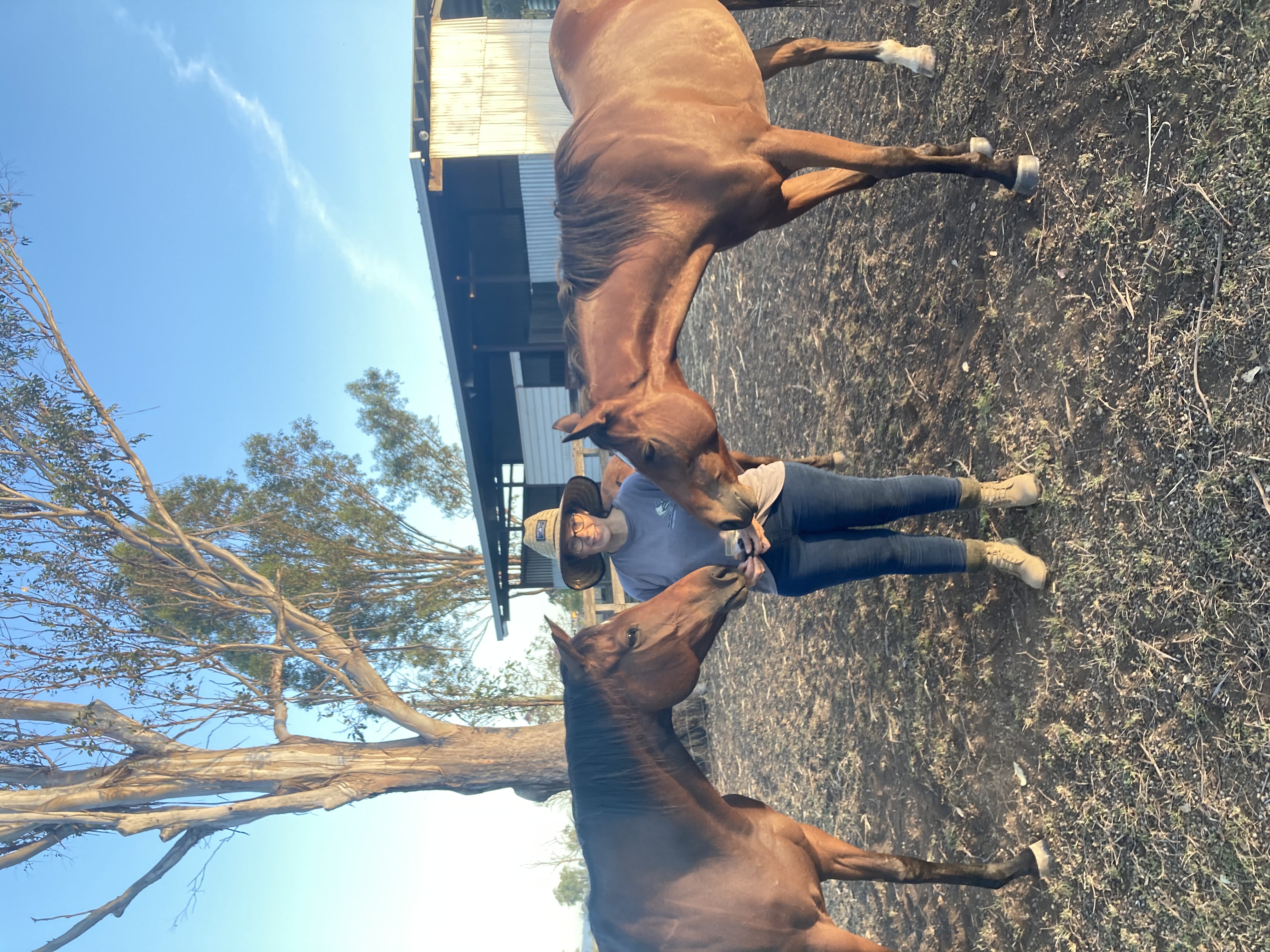
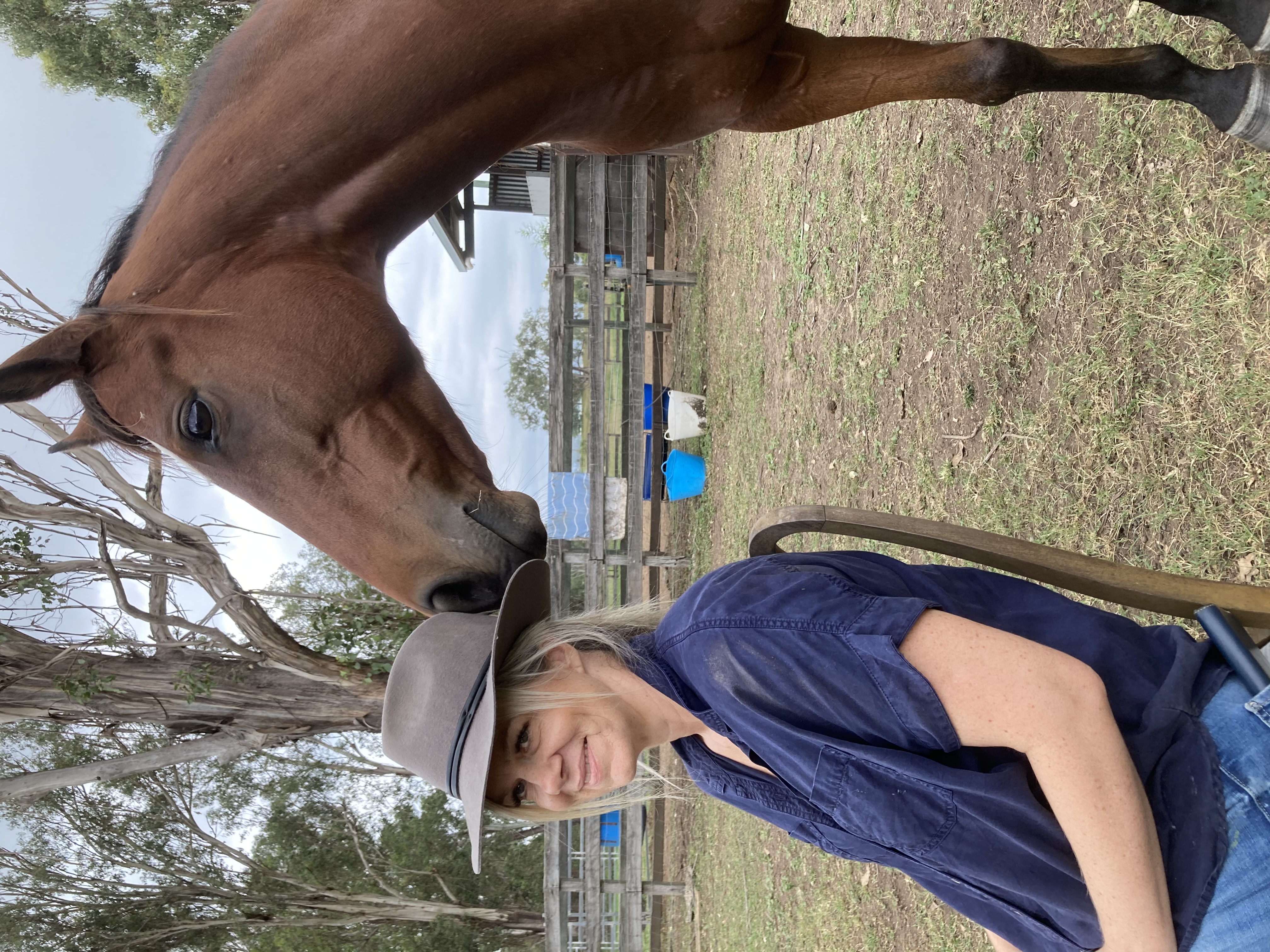
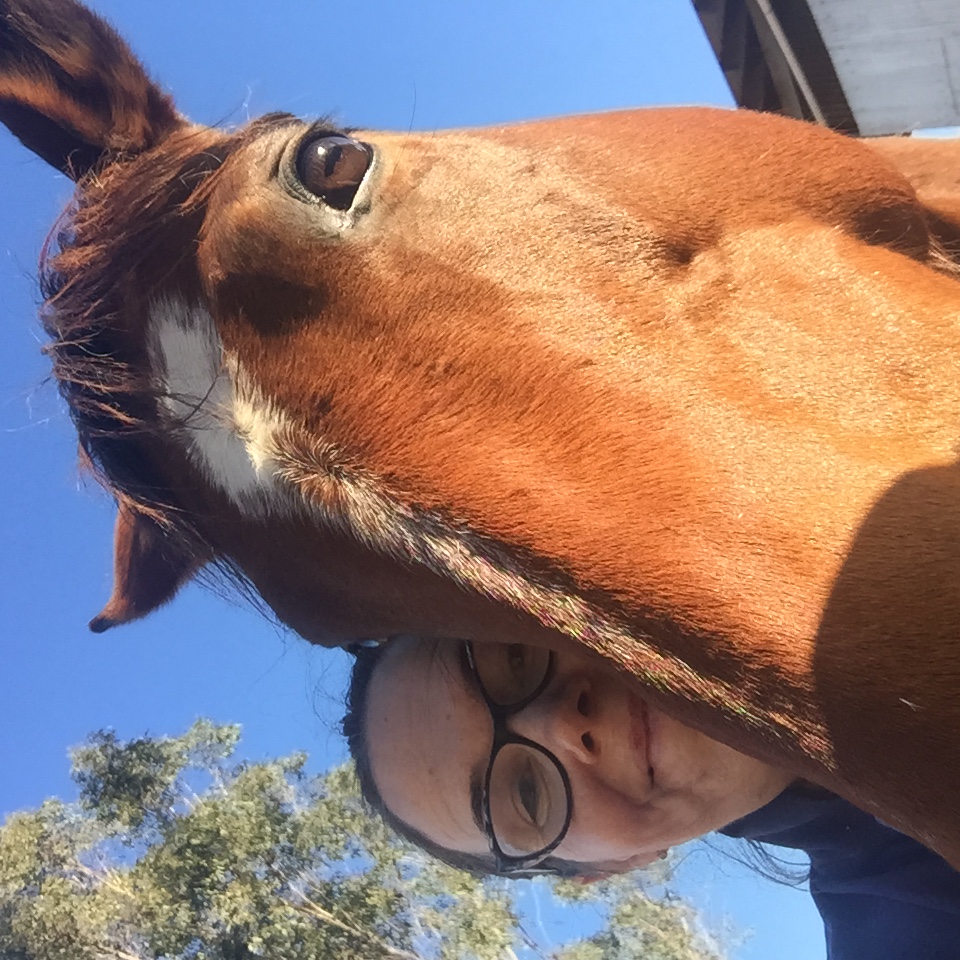
Our Equine Programs
Our equine experiential learning programs provide a low-stakes, real-time feedback loop that traditional leadership training cannot replicate.
Noticing
Horses are masters of non-verbal communication. They also need defined leadership to feel safe. Working with them asks us to notice the most subtle of signals in ways that are incredibly meaningful. Being open to cues from others is a learned skill. For horses, simply knowing that you notice (and therefore 'have their back') can promote trust and engagement. It's harder than it sounds.
Communicating with intent
Clarity is essential to good leadership. A horse requires consistent, unambiguous direction to feel safe and willing to follow a leader. In our sessions, leaders practice organising thoughts and energy, and ensuring that intent is communicated clearly with confidence and empathy.
Reflective awareness
Our sessions are filmed, so participants will get to see how they interact with the horses. As an example, something as simple as holding your position while a horse moves towards you can be really difficult! So if you step back, we'll ask you about boundaries and confidence. You will have the opportunity to reflect, discuss, and translate your experience. This is where the magic can happen.
What the research says
Working with horses as a leadership development tool isn't a novelty. It's grounded in a growing body of behavioural science. Horses are remarkably attuned to human emotional state. Researchers at the University of Sussex and University of Portsmouth found horses can recognise human facial expressions and remember a person's emotional state hours later, adjusting their own behaviour accordingly, the first time this ability had been demonstrated in a non-primate mammal. Follow-up work at Hokkaido University showed horses integrate facial expression and vocal tone together to perceive human emotion, regardless of whether the person is familiar to them. In practice, this means a horse isn't reading your instructions. It's reading you.
This extends beyond behaviour into physiology. A 2024 study using heart-rate variability analysis found bidirectional synchronisation between human and horse heart-rate patterns, with the direction of that coupling shifting depending on the activity and the familiarity between horse and handler. A horse in proximity to a person isn't just observing outward behaviour. It is, in a measurable sense, responding to their internal state.
This is precisely why the horse makes such an effective leadership mirror: it responds to what's actually true about a person's energy and intent, not what they intend to project. Mixed signals, hesitation, or incongruence between what a leader says and what they're actually feeling get exposed immediately and non-verbally, before a word is spoken.
A dedicated field known as equine-assisted leadership development (EALD) has emerged to apply this specifically to workplace and organisational contexts, distinct from equine-assisted therapy. A 2025 literature review found EAL programs consistently improve self-awareness, emotional intelligence, non-verbal communication, trust-building, and adaptability, competencies developed through structured ground-based exercises requiring congruence between intention and action. A related qualitative study following leaders 12 months after a program found the effects weren't confined to the arena: participants showed greater sensitivity to non-verbal communication, reduced reliance on coercive strategies, and stronger trust-building capacities back at work.
This is the evidence base Canterpoint draws on, and why our programs are built as an educative leadership methodology, not a therapeutic one. The horse is a highly sensitive, honest, non-human collaborator that gives leaders something almost impossible to get from a colleague: immediate, unfiltered feedback on the gap between their intent and their actual state.
Our equine programs have a limited season and limited places. Inquire about options for your organisation, or you personally. Individual inquiries are welcome.